African Roots Tree SVG
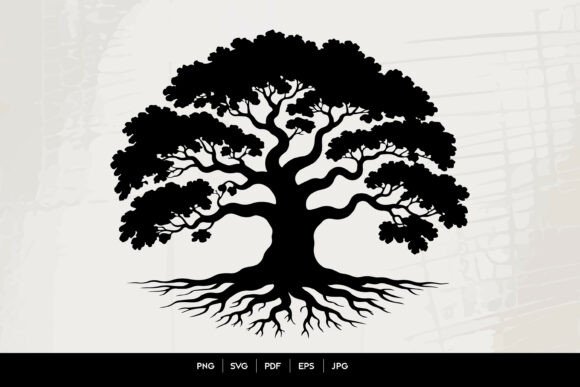
As a designer who’s stitched hundreds of custom pieces—from boutique baby onesies to Etsy best-selling tote bags—I opened the African Roots Tree SVG file with quiet curiosity. Not hype, not hope—just honest assessment. What I saw wasn’t just a silhouette; it was a quiet, grounded presence: strong central trunk, wide-spreading roots that curl like ancestral memory, and canopy lines that suggest both baobab weight and gentle rhythm. It doesn’t shout. It holds space. And that matters—especially when you’re choosing a machine embroidery design for real-world wear, gifting, or small shop merchandise.
First Impressions: Mood, Shape, and Embroidery Readiness
The African Roots Tree SVG reads as intentional—not decorative filler. Its layout is balanced but not symmetrical, with organic asymmetry in the root system that feels hand-drawn, not algorithmic. That’s a win. In embroidery, too-perfect symmetry can flatten texture; this version invites dimension. The line weight is consistent but not rigid—ideal for satin stitch outlines or clean fill-stitch interpretation. As an illustration, it leans toward minimalism without sacrificing cultural resonance. You’ll feel its heritage without needing explanatory text beside it. That makes it especially strong for apparel where subtlety builds trust—think embroidered sweatshirts for a Black-owned wellness brand, or nursery pillow covers that honor lineage without cliché.
Where It Shines: Real Projects, Real Reactions
Last week, I prepped a custom order: three linen tea towels for a local café celebrating African Heritage Month. I chose the African Roots Tree SVG for the center panel—not oversized, not tiny, just confident. Stitched at 3.8" wide with medium-density fill stitch and a subtle brown-to-umber thread gradient, it landed exactly right: dignified, warm, and unmistakably handmade. Customers paused. They asked about it. That’s the quiet power of thoughtful design—it sparks conversation without needing a caption.
It works equally well on structured and soft surfaces: a curved cap brim (with light stabilizer and reduced density), a stretchy cotton-blend baby onesie (using tear-away + cut-away combo), or a heavyweight canvas apron (where the roots anchor beautifully near the pocket). As a patch design? Excellent—clean outer edge, no fragile protrusions. As a tote bag design? Strong focal point, especially when paired with a simple serif font for a boutique logo below. For holiday embroidery? Think velvet stockings or embroidered gift tags—its symbolism reads as meaningful, not seasonal, so it stays relevant year-round.
Where to Pause: Practical Embroidery Considerations
This isn’t a “throw-it-on-and-go” file. Its strength lies in intentionality—and that means attention to detail before hooping:
- Hoop size & density: The roots extend outward. If you’re using a 4” hoop, confirm the full design fits comfortably—not just width-wise, but vertically. Overcrowding causes tension issues and skipped stitches, especially in tight root curves.
- Fabric texture: On nubby linens or terry cloth towels, reduce fill stitch density slightly and add a layer of medium-weight cut-away stabilizer underneath. The design’s graceful lines shouldn’t get lost in fuzz.
- Dark fabric: Test thread contrast first. A deep indigo or charcoal background needs rich, matte thread—not shiny poly—that won’t gray out. Consider a single-tone satin stitch outline instead of full fill for high-impact clarity.
- Curved surfaces: Caps and beanies need careful digitizing adjustments. If your version isn’t already optimized for curve, simplify root tips or widen trunk spacing to avoid distortion.
- Wash durability: For baby embroidery or kitchen towels, avoid ultra-fine root details smaller than 1.5mm—they’ll fray faster. Stick to bolder interpretations of the core shape.
Design Assets That Build Trust—Not Just Decoration
What makes the African Roots Tree SVG more than a pretty graphic? It carries narrative weight without leaning on tropes. That translates directly to product value. A customer buying an embroidered apron with this design isn’t just purchasing utility—they’re connecting with intention. That builds loyalty, especially for craft businesses and Etsy sellers positioning around authenticity and cultural respect.
For digital product sellers, this file works across formats—SVG for cutting machines, PNG for mockups, PDF for print guides—but remember: the embroidery file itself must be digitized separately. Don’t assume the included SVG converts cleanly to stitch data. Always source or commission a professional digitization for commercial embroidery projects.
Designer Notes You’ll Actually Use
Before stitching your first African Roots Tree SVG piece:
- Test on scrap fabric *exactly* like your final material—same weave, same stretch, same dye lot if possible.
- Check thread color contrast in natural light *and* under store lighting—some tones shift dramatically.
- Review stitch density: dense fills look lush on stable fabrics but can pucker thin cottons. Adjust accordingly.
- Inspect root tips and canopy edges in your embroidery software—look for stray nodes or micro-gaps that cause jump stitches.
- Mock it up in black-and-white first. If the shape loses legibility without color, simplify.
- Confirm licensing: since it’s listed as Graphics, verify whether commercial use—including finished embroidered products sold online—is explicitly permitted.
The African Roots Tree SVG doesn’t try to be everything. It’s not a floral border, a script monogram, or a cartoon icon. It’s a rooted statement—calm, clear, and culturally anchored. Used thoughtfully, it elevates a handmade product from “nice” to “meaningful.” And in today’s market—where buyers choose makers who reflect their values—that kind of resonance isn’t optional. It’s essential.